
















15 Trends That Are Coming Up About Gutters
페이지 정보
작성자 Deena 작성일26-06-04 08:44 조회2회 댓글0건본문
The Essential Guide to Gutters: Function, Types, Maintenance, and FAQs
Gutters are an often-overlooked yet crucial element of a home's outside. They are designed to manage rainwater and direct it away from the structure, preventing potential damage. Although they may appear like a minor detail, the right gutter system can make a significant difference in the longevity and Local Guttering health of your home. In this article, Drainage we will check out the kinds of gutters readily available, their functions, maintenance pointers, and address some frequently asked questions about gutters.
The Function of Gutters
Gutters serve numerous important functions:
- Water Management: Gutters gather rainwater from the roof and channel it far from the home's structure.
- Preventing Erosion: By directing water towards a designated drainage area, gutters can reduce soil erosion around the home.
- Securing Landscaping: Gutters help manage water overflow, minimizing the risk of harmful plants and landscaping features.
- Preventing Mold Growth: Properly routed water can reduce the risk of wetness build-up that can lead to mold and mildew in both the home and the surrounding locations.
Table 1: Main Functions of Gutters
| Function | Description | Significance |
|---|---|---|
| Water Management | Gathers and directs rainwater away from the foundation | Avoids foundation damage |
| Avoiding Erosion | Decreases soil erosion around the home | Secures landscaping and soil stability |
| Securing Landscaping | Decreases damage to plants and functions | Makes sure healthy plant development |
| Avoiding Mold Growth | Decreases moisture accumulation | Protects health and home structure |
Types of Gutters
Picking the ideal type of gutter system is vital. Here are a few of the most typical kinds of gutters available:
1. K-Style Gutters
- Description: These gutters have a flat bottom and an ornamental front that resembles crown molding.
- Product: Available in aluminum, vinyl, copper, and steel.
- Advantages: They handle more water than standard round gutters and offer a stylish look.
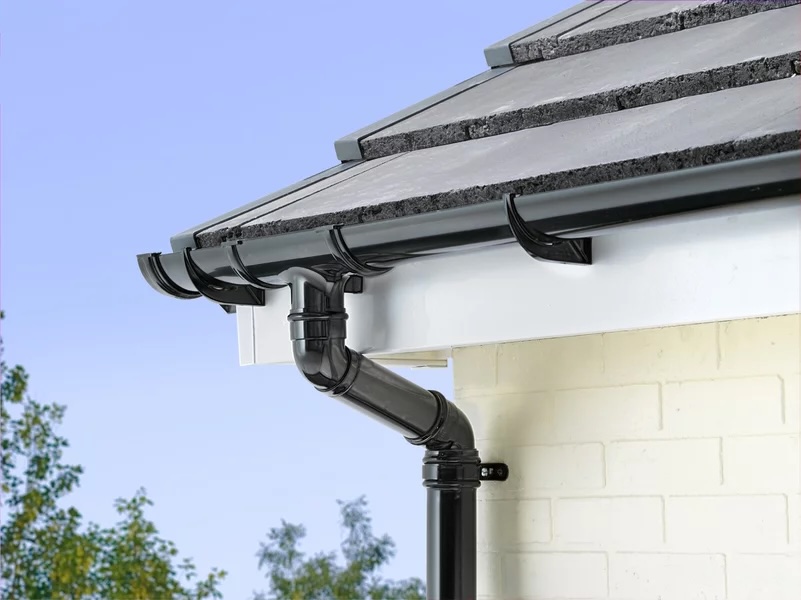
2. Half-Round Gutters
- Description: These gutters have a semi-circular shape.
- Material: Commonly made from copper or aluminum.
- Advantages: They can add a traditional visual and are less prone to obstructing due to their design.
3. Box Gutters
- Description: These gutters are wider and much deeper, frequently incorporated into the roof's style.
- Product: Typically made from metal products like aluminum or zinc.
- Advantages: They are ideal for flat roofs and can deal with a larger volume of water.
4. Seamless Gutters
- Description: These gutters are custom-cut to fit a home, removing joints and seams.
- Material: Usually made from aluminum or vinyl.
- Benefits: They minimize the likelihood of leaks and are much easier to clean up.
Table 2: Comparison of Gutter Types
| Gutter Type | Forming | Typical Materials | Benefits |
|---|---|---|---|
| K-Style | Flat | Aluminum, Vinyl, Steel | More water capability, elegant appearance |
| Half-Round | Semi-Circular | Copper, Aluminum | Classic aesthetic, less clogging |
| Box | Wide/Deep | Aluminum, Zinc | Suitable for flat roofing systems, high capability |
| Seamless | Custom-cut | Aluminum, Vinyl | Less leakages, simpler to clean up |
Maintenance Tips for Gutters
Preserving gutters is vital to guarantee they work efficiently. Here are some vital maintenance ideas:
- Regular Cleaning: Clean gutters a minimum of twice a year, particularly during spring and fall, to remove leaves, particles, and dirt.
- Inspect for Damage: Inspect gutters for rust, holes, or looseness. Any problems ought to be repaired immediately to prevent leakages.
- Ensure Proper Slope: Gutters ought to have a small slope toward the downspouts to ensure water flows efficiently. A slope of 1 inch for every single 10 feet is perfect.
- Install Gutter Guards: To minimize particles build-up, consider setting up Gutter Downspouts guards or screens.
- Check Downspouts: Ensure that downspouts are clear and directing water far from the foundation. Consider extending them if needed.
Table 3: Gutter Maintenance Checklist
| Job | Frequency | Purpose |
|---|---|---|
| Clean gutters | Twice a year | Avoid obstructions and overflow |
| Check for damage | Each year | Identify and repair leaks |
| Check slope | Yearly | Guarantee efficient water flow |
| Install gutter guards | As required | Decrease debris build-up |
| Inspect downspouts | Two times a year | Make sure appropriate drainage |
Often Asked Questions (FAQs)
Q1: How often should I clean my gutters?
A1: Typically, Gutter Installation gutters need to be cleaned a minimum of twice a year, more often if you live in an area with many trees.
Q2: What can happen if I overlook my gutters?
A2: Neglecting gutters can lead to clogs, which trigger water to overflow, possibly harming the roof, siding, and structure of your home.
Q3: Can I install gutters myself?
A3: While DIY installation is possible, employing a professional can make sure proper installation and avoid future concerns.
Q4: How do I understand if my gutters require to be replaced?
A4: Signs that gutters need replacing consist of noticeable sagging, rust, holes, and leakages that can't be easily fixed.
Q5: What are the advantages of seamless gutters?
A5: Seamless gutters lower the risk of leaks, need less maintenance, and can be custom-fit to your home for a much better general appearance.
Gutters may not be the most attractive element of a home, however they play an important function in safeguarding your home from water damage. Understanding their functions, the various types available, and the significance of maintenance can assist property owners make informed options. By taking care of your gutters, you can extend their lifespan and protect your home from potential water-related concerns. Eventually, investing a little effort and time into keeping your Gutter Experts system can conserve you substantial trouble and cost in the long run.
댓글목록
등록된 댓글이 없습니다.
