
















Brown Rice and White Rice: Which Is Healthier?
페이지 정보
작성자 Millie 작성일25-10-09 06:02 조회7회 댓글0건본문
While derived from identical kernels, brown and white rice become nutritionally distinct through industrial refining processes.
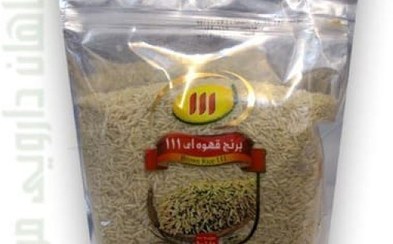
Unlike its refined counterpart, brown rice includes the bran, خرید برنج قهوه ای germ, and endosperm intact, maximizing its health benefits.
The refining process removes the nutrient-packed outer layers of white rice, leaving behind mostly pure starch.
Removing the bran and germ drains white rice of essential micronutrients that brown rice naturally provides.
The higher fiber content in brown rice slows carbohydrate absorption, contributing to better metabolic control.
It packs more magnesium, zinc, selenium, and B-complex vitamins than white rice, supporting energy metabolism and cellular function.
Antioxidants and beneficial lipids concentrated in the germ contribute to anti-inflammatory effects and long-term disease prevention.
Its unrefined structure results in a gradual glycemic response, avoiding the sharp insulin surges common with refined carbs.
Without the bran and germ, white rice is nutritionally sparse and lacks the phytonutrients found in whole grains.
To address public health concerns, manufacturers often add synthetic nutrients back into white rice after milling.
Fortification doesn’t replicate the complex matrix of bioactive compounds inherent in whole grain rice.
Its refined structure allows for quick digestion, which may lead to glucose spikes, especially without accompanying protein or fat.
Brown rice supports weight management, gut health, and metabolic balance more effectively than its refined alternative.
It remains a viable option for athletes, people with GI issues, or those recovering from illness who need easily digestible carbs.
White rice also plays a central role in numerous traditional cuisines, where its neutral flavor and soft texture are culturally preferred and functionally essential.
The ultimate decision between brown and white rice should be guided by your personal health objectives, nutritional needs, and taste preferences.
For those focused on reducing processed foods and maximizing nutrient density, brown rice delivers unmatched benefits.
Yet if texture, convenience, or culinary tradition matter more in a given meal, white rice is not inherently unhealthy—especially when paired with vegetables, lean proteins, and healthy fats.
댓글목록
등록된 댓글이 없습니다.
