
















What's The Job Market For Four Wheel Walker Professionals Like?
페이지 정보
작성자 Pilar 작성일25-10-09 05:08 조회4회 댓글0건본문
Understanding the Four-Wheel Walker: A Comprehensive Guide
As individuals age or face health challenges, mobility can end up being a significant concern. The four-wheel walker-- also called a Helavo Rollator Walkers-- is developed to help those who require support while walking. This guide will look into the benefits, features, and types of four-wheel walkers, supplying vital details for individuals, caregivers, and healthcare professionals.
What is a Four-Wheel Walker?
A four-wheel walker is a mobility aid that features Four Wheel Walker wheels, hand brakes, a seat, and frequently a storage compartment. Unlike conventional walkers that need users to lift them with each action, four-wheel walkers allow smooth movement and offer extra support for individuals who might have a hard time with balance or endurance while walking.
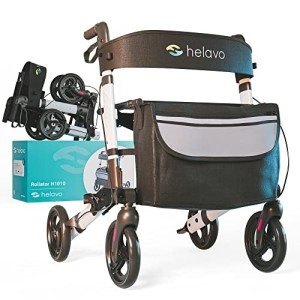
Secret Features of a Four-Wheel Walker
| Function | Description |
|---|---|
| Wheels | Normally features four wheels for boosted mobility. |
| Brakes | Hand-operated brakes for added control and safety. |
| Seat | A built-in seat permits users to rest when required. |
| Storage | Frequently includes a storage pouch or basket for personal items. |
| Height Adjustability | Can be changed to fit the user's height for convenience and ease of usage. |
Benefits of Using a Four-Wheel Walker
1. Improved Mobility
Among the main benefits of a four-wheel walker is the increased mobility it uses. Users can browse through indoor and outdoor spaces easily, thanks to the rolling wheels. This mobility encourages physical activity, which is essential for preserving total health.
2. Security and Stability
Four-wheel walkers come equipped with durable frames and Reliable Walker braking systems. This design promotes security, particularly for people with balance concerns, ensuring they feel secure while walking.
3. Convenience Features
With the addition of a seat and Ergonomic Walker handles, four-wheel walkers offer convenience during usage. Users can take breaks whenever necessary, which is particularly helpful for those who tire quickly.
4. Versatility
These walkers can be utilized in different settings, including at home, in public areas, and outdoors. Lots of models are developed to be lightweight and foldable, making them easy to transport.
Kinds Of Four-Wheel Walkers
Not all four-wheel walkers are created equal, and a number of variations cater to specific needs and preferences. Below is a list of various kinds of four-wheel walkers:
1. Requirement Rollators
Requirement rollators are the most typical type, including basic styles with four wheels, hand brakes, and a seat. They appropriate for daily use, supplying vital support for walking.
2. Heavy-Duty Rollators
These walkers are designed for users with greater weight-bearing requirements. Heavy-duty rollators have strengthened frames and broader seats, accommodating bigger people while offering the very same mobility and support.
3. Lightweight Rollators
Ideal for those who travel frequently, lightweight rollators are compact and easily foldable. They are practical for transport and are typically much easier for users to maneuver.
4. Rollators with Specialized Features
Some rollators include unique features, such as integrated LED lights for night use, baskets created for bring larger products, or boosted suspension systems for improved comfort on uneven surface areas.
How to Choose the Right Four-Wheel Walker
Picking the ideal four-wheel High-Quality Walker requires factor to consider of several elements. Here's a list to direct you:
1. User's Weight and Height
- Ensure the walker can support the user's weight.
- Pick an adjustable model that accommodates the user's height for comfortable usage.
2. Meant Use
- Consider where the walker will primarily be utilized: inside, outdoors, or both.
- Search for models with larger wheels for better performance on outdoor surfaces.
3. Convenience Features
- Examine the seat height and comfort level.
- Inspect for extra features, such as padded handles, for boosted usability.
4. Storage Needs
- Figure out if the user needs a storage pouch or basket for carrying individual valuables.
5. Budget plan
- Evaluate the expenses, bearing in mind that rates can vary commonly depending upon the features and brand.
Often Asked Questions (FAQ)
Q1: Are four-wheel walkers appropriate for any ages?
A: While most frequently utilized by older adults, four-wheel walkers can benefit individuals of any ages who have mobility obstacles due to injury, surgery, or health conditions.
Q2: How do you maintain a four-wheel walker?
A: Regularly check the wheels for particles, ensure the brakes operate effectively, and occasionally clean the walker with mild soap and water to keep it in great working order.
Q3: Can I use a four-wheel walker outdoors?
A: Yes, lots of four-wheel walkers are developed for both indoor and outdoor usage. However, picking a design with bigger, durable wheels is advisable for unequal surface areas.
Q4: Do insurance coverage plans cover the cost of four-wheel walkers?
A: Coverage varies by insurance coverage plan. It's best to speak with your supplier regarding protection for mobility aids.
Q5: How do I learn to use a four-wheel walker properly?
A: It might be useful to work with a physiotherapist or healthcare expert to find out how to utilize a four-wheel walker safely and successfully.
Four-wheel walkers act as important mobility help for those who need additional support while walking. By understanding their features, benefits, and types, users and caregivers can select the right design to enhance mobility and preserve self-reliance. As mobility challenges emerge, it's reassuring to know that tools like four-wheel walkers can significantly improve quality of life and promote a more active way of life.
댓글목록
등록된 댓글이 없습니다.
